

South Carolina Refinance Guide
South Carolina home values have climbed sharply in recent years—meaning many homeowners in Charleston, Greenville, Columbia, and Myrtle Beach are sitting on more equity than they expected. A cash-out refinance lets you convert a portion of that equity into cash (while replacing your current mortgage), but approval comes down to a few key rules: equity/LTV caps, credit, income documentation, property type, and closing costs.
Most common target
~80% LTV
Often means keeping ~20% equity
Investments are stricter
~70–75% LTV
More equity + reserves expected
Budget for costs
2–5%
Closing costs vary by scenario
Quick answer: cash-out refinance requirements in South Carolina
Most borrowers plan around keeping ~20% equity after cash-out.
For many primary residences, cash-out programs often cap the new loan around ~80% LTV (meaning you keep about ~20% equity). Second homes and investment properties typically require more equity. The exact cap depends on your loan type, property type, credit, and lender overlays.
Why lenders care about your “equity cushion”
Lenders look at what happens if values soften or expenses rise. Equity lowers risk—which often improves approval odds and pricing.
What the equity cushion does for you
- Reduces risk if home values dip.
- Improves pricing in many scenarios.
- Helps approvals when DTI is tighter or reserves matter.
What is a cash-out refinance?
A cash-out refinance replaces your current mortgage with a new one for a higher amount. Your old mortgage is paid off, and you receive the difference as cash (minus closing costs and payoffs).
- New mortgage replaces the old one
- Cash is received at closing
- Your interest rate, term, and payment may change
Common uses (good reasons)
- Home improvements (kitchens, roofs, additions)
- Debt consolidation (when it improves your full plan)
- Buying another property or funding a down payment
- Major life expenses (tuition, medical, reserves)
Tip: If your current mortgage rate is very low, compare cash-out vs HELOC before you replace it.
Important
You’re turning equity into debt. The move only makes sense if the new payment and long-term benefit stay aligned.
Equity + LTV rules in South Carolina (primary vs second vs investment)
Most cash-out decisions come down to one formula:
LTV Formula
Loan Amount ÷ Appraised Value = LTV
Lower LTV = more equity remaining = typically safer.
Primary residence
Often ~80% LTV
Most flexible
Second home
Often lower
Stricter guidelines
Investment property
Often ~70–75% LTV
More equity + reserves
How much cash can you pull?
A fast planning estimate is: (Max LTV × Appraised Value) − Current Payoff ≈ Cash Available. Closing costs and prepaid items reduce the final “cash to you.”
Credit score requirements (and why your rate can change)
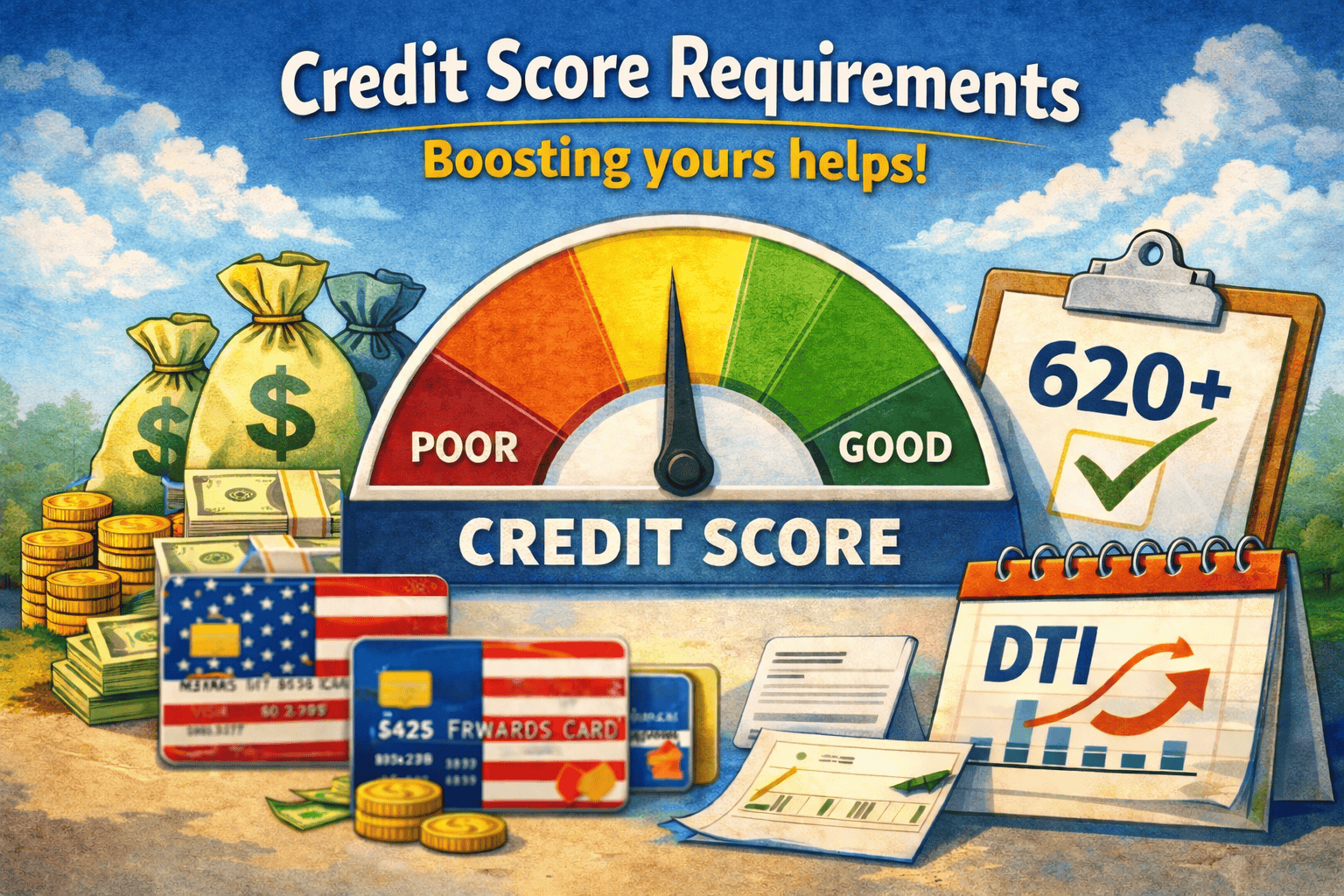
Many programs start around a 620+ minimum, but approvals and pricing usually improve as scores rise. In real terms: a stronger score can reduce risk adjustments and help when LTV is higher.
What helps most
- 700+ score often improves pricing opportunities.
- Clean recent history (limited late payments).
- Lower revolving balances can help your DTI and score.
Proof of income + DTI (what lenders look for)
Documents you’ll typically need
- Pay stubs + W-2s (most recent)
- Bank statements (assets + reserves)
- Tax returns (often required for certain scenarios)
- If self-employed: 1–2 years of returns + business docs
DTI: the payment comfort check
Many lenders prefer DTI under about 45% (varies by program). Lower DTI generally means more flexibility with approvals and pricing.
Pro move
If you’re consolidating debt, ask for a comparison that shows DTI before vs after—so you know the cash-out truly improves the plan.
Property requirements (condos, multi-units, manufactured homes)
Your cash-out options can change based on property type. Condos, multi-units, manufactured homes, and certain rural properties can have different eligibility rules and LTV caps.
Condos
Project approval + insurance can matter
Multi-units
Often lower max LTV than 1-unit
Manufactured
Foundation + title/real property rules apply
Heads up
Condition issues (roof, deferred maintenance) can trigger repairs or impact appraisal/eligibility—especially on older homes.
Closing costs + South Carolina considerations
Cash-out refinance closing costs are commonly estimated around 2–5% of the loan amount (varies by scenario). In South Carolina, closings are typically attorney-supervised, and local fees can vary by county and complexity.
Costs that often show up
- Attorney / settlement fees (varies by file and county)
- Title work (search + lender title insurance)
- Appraisal/valuation (when required)
- Prepaids (taxes/insurance escrows, depending on structure)
When a cash-out refinance may not be right
If your new rate would be much higher
If you locked a very low rate, replacing the mortgage could raise your payment even if you “get cash.” Compare against a HELOC or second lien before you commit.
If equity or cash flow is tight
Higher LTV + higher payment can create risk. If you have limited equity, high DTI, or thin reserves, a smaller loan or different structure may fit better.
Best practice
Ask for a side-by-side comparison: cash-out refi vs HELOC vs no change—with payments and total costs.
How to apply for a cash-out refinance in South Carolina (step-by-step)
Estimate value + payoff
We’ll start with your best value estimate and your current mortgage payoff.
Confirm likely max LTV
Primary vs rental, property type, and loan program drive the cap.
Gather documents
Income, assets, and property docs (plus leases if rental).
Appraisal / valuation + underwriting
This locks the value and confirms final eligibility.
Close + funds disbursed
Old loan is paid off and remaining cash is disbursed at closing.
FAQs
What’s the minimum credit score for a cash-out refinance in South Carolina?
Many programs start around 620+, but stronger scores can improve approval and pricing. Your LTV, DTI, and reserves also play a big role.
How much equity do I need to qualify?
Many primary-home scenarios plan around keeping roughly ~20% equity (around ~80% LTV), while second homes and rentals often require more.
Can I cash-out refinance an investment property?
Yes, but cash-out on rentals is typically more conservative—often around ~70–75% LTV depending on program and scenario.
How long does a cash-out refinance take in South Carolina?
Many refinances land in a ~25–45 day range depending on appraisal timing, underwriting volume, and how quickly documents are provided.
Is cash-out refinance good for renovations?
It can be—especially if the renovation improves long-term value and the new payment still fits comfortably. Always compare the total cost vs other financing options.
Bottom line
A cash-out refinance can be a strong move in South Carolina—if your LTV cap, your new monthly payment, and your plan for the cash all line up. If you want clarity fast, we can run a scenario and tell you what you’re likely eligible for.
Disclaimer: This content is for educational purposes and doesn’t constitute financial, legal, or tax advice. Program guidelines can change and may vary by lender and borrower scenario.